
A mucking loader is widely used in tunneling and mining to remove blasted rock efficiently, and correct operation starts with a thorough pre-start inspection. Before powering on any tunnel mucking loader, check the hydraulic oil level, inspect hoses for leaks, examine electrical cables for damage, and confirm that track tension or tire pressure is proper. Also ensure the scraper conveyor chain has moderate sag and the bucket teeth are not severely worn. Sound the horn, start the motor, and run the mucking machine idle for two to three minutes to test boom lift, bucket curl, swing rotation, and travel in both directions; verify that the emergency stop works immediately, and never proceed if any cylinder jerks or unusual noise occurs.
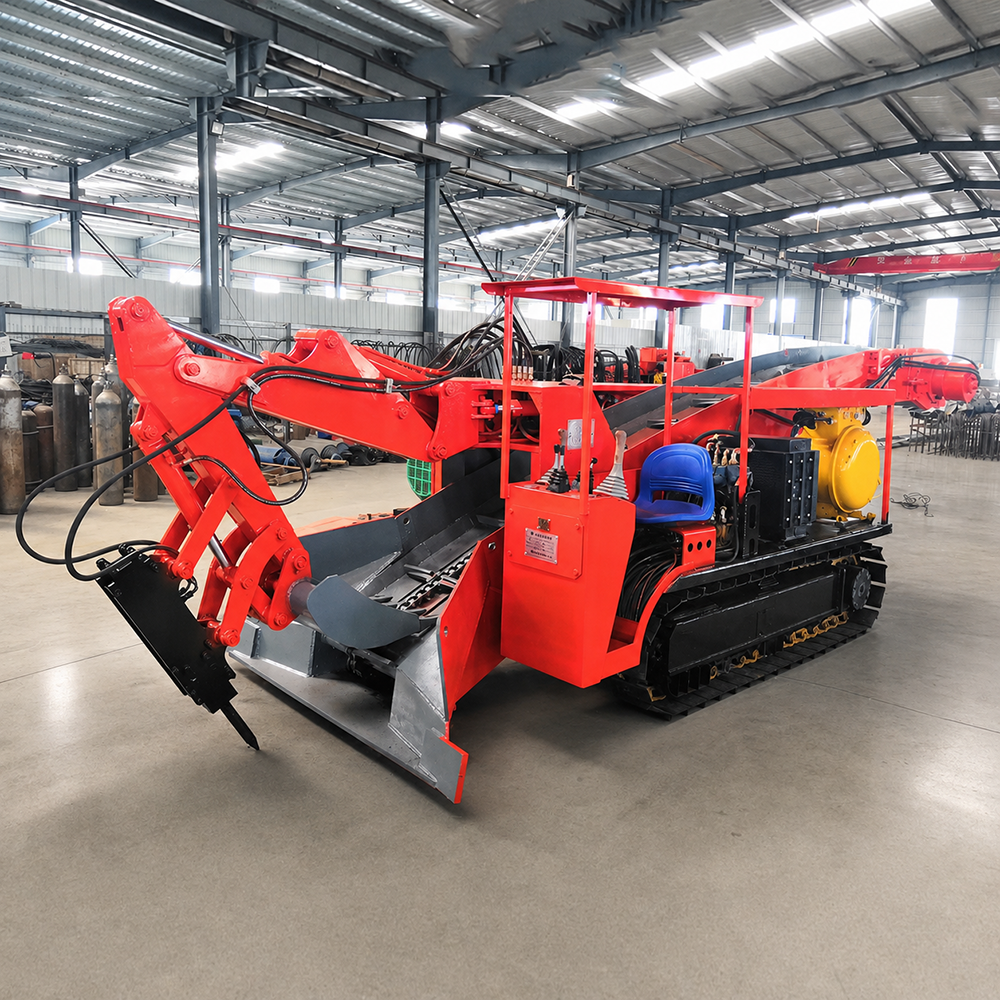
The standard operating cycle of a tunnel mucking loader follows four simple steps: lower the bucket flat against the floor and drive forward slowly while curling to fill it with muck, then raise the boom and tilt the bucket to dump material onto the conveyor. Next, rotate the conveyor outlet toward the muck car or belt system, turning gently to avoid hitting tunnel walls, and finally run the conveyor to discharge all debris before returning the bucket to start position. For deep muck piles, dig from top down in layers to prevent overloading the mucking loader, and if large rocks jam the conveyor, stop immediately and remove them with a pry bar rather than forcing through under power.
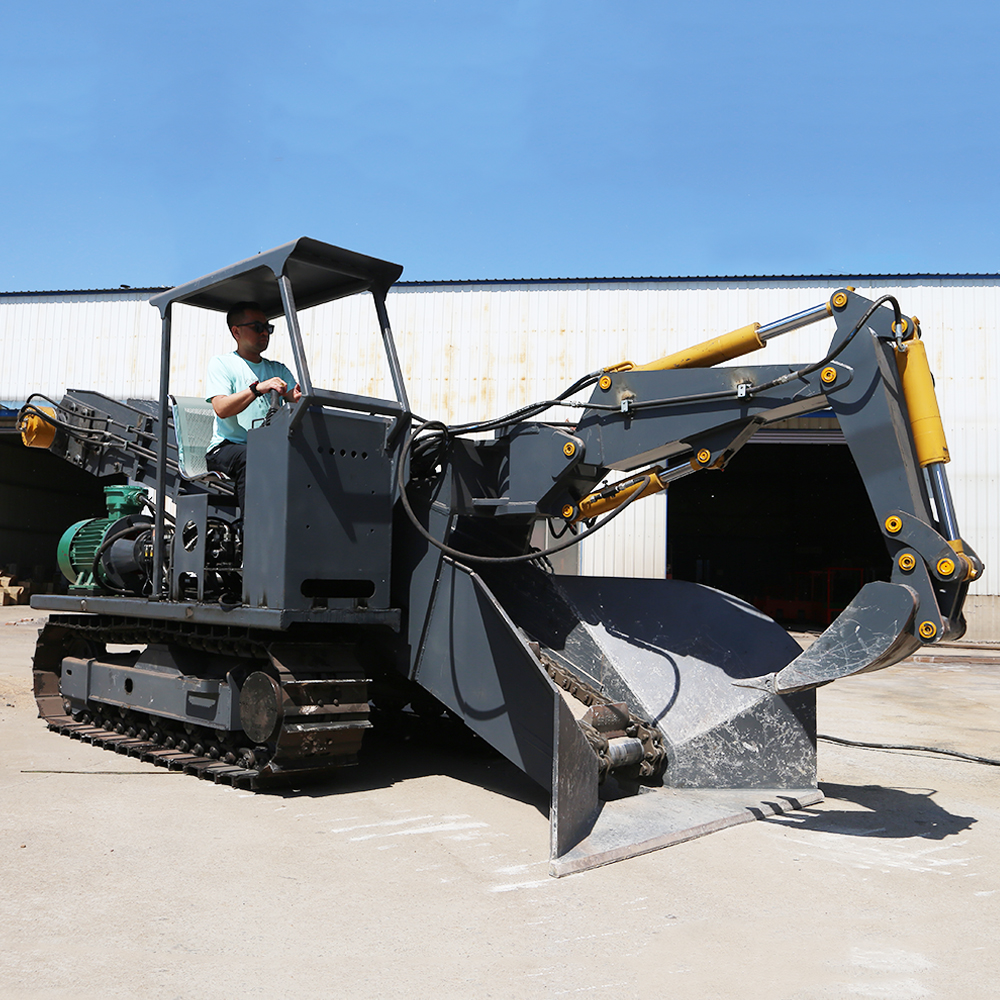
After finishing the shift, lower the bucket to ground, retract the boom, center the swing, and run the conveyor empty for a few seconds to clear leftover muck, then shut off power and log operating hours. Never stand under a raised bucket, never use it to lift people, and never disconnect hydraulic lines under pressure; for any mucking machine used in gassy mines, strictly follow explosion-proof procedures. With regular greasing every 50 hours and oil changes every 500 hours, your tunnel mucking loader will remain reliable, and a well-operated mucking loader significantly reduces downtime while extending component life across every work shift.